

Toyota Oxygen Sensors
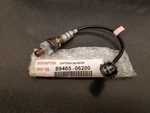
Oxygen Sensor

Oxygen Sensor

Oxygen Sensor

Oxygen Sensor


Oxygen Sensor

Oxygen Sensor

Oxygen Sensor

Oxygen Sensor


Oxygen Sensor

Oxygen Sensor
No results found for "oxygen sensor". Here are some helpful search tips:
- Search by a part name. Example: water pump.
- Be less specific. Example: brake instead of ceramic brake.
- Remove information such as make, year or model.
- Can't find the part you are looking for? Contact us and we'll find it for you!
Find the Right Toyota Oxygen Sensor for Cleaner, Smarter Engine Performance
TL;DR Summary
Toyota oxygen sensors read exhaust gases so your engine can adjust fuel delivery and monitor emissions performance. Choosing an OEM Toyota oxygen sensor helps you avoid common ordering problems, including the wrong connector, incorrect sensor position, or a part that does not communicate the way your Toyota expects.
Toyota Oxygen Sensors Built for the Way Your Engine Thinks
Your Toyota depends on clean sensor feedback during cold starts, stop-and-go driving, highway cruising, and emissions checks. A Toyota O2 sensor tells the engine computer how much oxygen is in the exhaust, helping it make fuel adjustments in real time. When that reading slows down or falls out of range, you may notice a check engine light, rough idle, poor mileage, hesitation, or a failed readiness monitor.
This category gives Toyota owners a more direct way to shop for Toyota oxygen sensor replacement parts by vehicle fitment, engine, and sensor location instead of choosing from parts that look similar in a thumbnail.
What This Category Includes
Toyota oxygen sensors are not one-size-fits-all. The correct part can depend on the sensor position, engine layout, harness length, connector design, emissions equipment, and model-year details. Depending on your Toyota, this category may include:
- Toyota upstream oxygen sensor options that read exhaust gases before the catalytic converter.
- Toyota downstream oxygen sensor options that monitor converter efficiency after the catalyst.
- Toyota air fuel ratio sensor parts used on many Toyota engines for more exact mixture readings.
- OEM Toyota oxygen sensor replacements with factory-style connectors, harness length, and calibration.
Why Genuine OEM Parts Matter
An oxygen sensor may thread into the exhaust, but that does not mean every replacement will behave the same way. A universal or mismatched sensor can cause wiring issues, routing problems, or readings that do not align with Toyota’s engine-control strategy. That can leave you chasing the same Toyota check engine light oxygen sensor concern after the repair.
Genuine Toyota sensors are built to match the vehicle’s original connector style, signal behavior, heat exposure needs, and installation layout. That matters on a part that lives in a hot exhaust area and feeds data directly to the engine computer.
How to Choose the Right Part
Use the diagnostic code as a starting point, then confirm the bank and sensor number before ordering. Bank 1 and Bank 2 identify the engine side on applicable engines. Sensor 1 is commonly upstream, while Sensor 2 is commonly downstream. Still, Toyota engine layout, emissions package, and production details can affect the exact part you need.
If you are already working near the exhaust, inspect nearby sealing parts like exhaust gaskets. Even a small leak near a sensor can pull in extra oxygen and confuse the readings.
Compatibility and Fitment Guidance
Before buying, match the sensor to your Toyota’s year, model, trim, engine size, drivetrain, and VIN when available. Two Toyota vehicles from the same model year may use different oxygen sensors if the engine or emissions setup is different.
For drivability issues, it can also help to check routine maintenance and fuel-system parts. Restricted air filters or worn fuel injectors can contribute to symptoms that may appear alongside oxygen sensor faults.
Key Takeaways
- Toyota oxygen sensors help the engine computer manage fuel trim, emissions, and catalyst monitoring.
- Upstream, downstream, and air fuel ratio sensors each serve a different role.
- OEM Toyota sensors help preserve connector fit, signal accuracy, and factory compatibility.
- Always verify sensor position, engine, emissions package, and VIN before ordering.
FAQ
Can a bad Toyota oxygen sensor trigger a check engine light?
Yes. A failing sensor can trigger oxygen sensor, air-fuel ratio, fuel trim, or catalyst efficiency codes.
Should I replace upstream and downstream sensors together?
Not always. Replace the failed sensor identified through diagnosis, unless age, mileage, or repair access makes replacing both a practical choice.
Is a Toyota air fuel ratio sensor the same as an oxygen sensor?
They are related, but not always interchangeable. Many Toyota air fuel ratio sensors provide more precise mixture feedback than traditional oxygen sensors.
Why buy OEM Toyota oxygen sensors?
OEM sensors are built for Toyota-specific fitment, wiring, calibration, and engine-management compatibility.